
Bangalore Infrastructure in 2025 Big Changes You Should Know
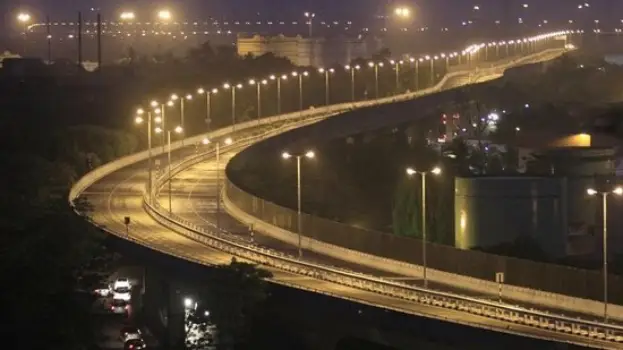
Bangalore in 2025 is moving through one of its most transformative phases in recent history, driven by Bangalore Infrastructure In 2025 Big Changes You Should Know. With a massive push from the government in terms of urban infrastructure, the city is being reshaped by new metro corridors, expanded suburban rail systems, high-speed expressways, and multi-crore smart city initiatives. These changes are not just cosmetic—they’re creating new life patterns, redefining traffic flows, and unlocking real estate goldmines across North Bangalore and beyond.
As commuting times reduce and connectivity improves, the demand for housing in emerging locations is accelerating. Whether you’re looking to invest, relocate, or simply understand where Bangalore is heading, this detailed update gives you a front-row seat to the Bangalore infrastructure projects 2025 that are rewriting the city’s future.
🔧 Bangalore Infrastructure Latest News – July 2025
The Karnataka government has launched the ₹7,000 crore B-SMILE initiative, targeting critical upgrades in drainage systems, flyovers, and arterial roads. Recognized as one of the largest urban development programs in Karnataka, this plan aims to enhance mobility, reduce congestion, and improve livability across major zones.
A significant governance upgrade has also occurred—the Greater Bengaluru Authority (GBA) has taken over from BBMP, introducing accountability and faster execution of civic works. Areas such as KG Layout are already witnessing enhancements in power lines, roads, and underground water connections.
Despite improvements, traffic challenges persist. A dedicated ₹50 crore budget has been allocated to hire urban mobility experts to develop sustainable transport models. This aggressive development cycle is fuelling interest in regions near upcoming infrastructure—North Bangalore real estate trends clearly reflect the momentum.
🚇 Namma Metro Phase 3 and Phase 4 Expansion
By 2025, the Namma Metro will span 314 kilometers, covering not just core neighborhoods but expanding deep into outer Bangalore. This expansion has already triggered a shift in housing demand across connected corridors.
Key Benefits:
- Decreased dependency on road transport.
- Accelerated daily commute for working professionals.
- Soaring value for metro connectivity Bangalore property.
Strategically located projects such as Tata Varnam in Shettigere, which sits near the upcoming metro alignment, are directly benefiting from this improved access to city tech hubs and Kempegowda International Airport.
🚉 Bengaluru Suburban Rail Project – Bridging the Distance
Slated for completion by 2026, the Bengaluru Suburban Rail Project will stretch 148 kilometers across four key corridors with 64 stations, connecting Bengaluru to satellite zones such as Yelahanka, Hebbal, and Devanahalli.
Why these matters:
- Offers affordable, reliable daily transport for the workforce.
- Fuels development in suburban and peripheral areas.
- Raises market value in rail-connected zones.
Among the areas seeing clear momentum is Yelahanka, where projects such as Tata Varnam are gaining steady traction. This type of investing in Bangalore real estate 2025 is being driven by improved rail access and long-term growth promise.
🛣 Peripheral Ring Road (PRR): A Game-Changer for Commutes
The Peripheral Ring Road is an 8-lane mega corridor that links Tumakuru Road to Hosur Road, bypassing dense inner-city pockets.
PRR’s impact includes:
- Creating direct access routes across the city.
- Opening fresh micro-markets for residential development.
- Making daily commuting faster for outer zone residents.
For developments in Devanahalli and Shettigere, the PRR offers a real-time advantage, especially for commuters working in tech corridors. Shettigere property investment is already seeing appreciation as a result.
🏙 Bangalore Satellite Town Ring Road (STRR)
The 280-kilometer STRR links 12 surrounding towns, encouraging residents to live in quieter outskirts while working in the city. This decentralization supports sustainable urban expansion.
Advantages:
- Unlocks new residential pockets across the satellite towns.
- Elevates property prices in previously undervalued zones.
- Seamlessly connects Tata Housing projects in Bangalore like Tata Varnam to Central Bangalore.
STRR is a key enabler of balanced urbanization—ideal for those seeking long-term growth potential outside the traditional city limits.
🛫 Bangalore-Chennai Expressway – Intercity Speed and Scale
The 258 km expressway, nearing completion in March 2025, will reduce travel time between the two southern metropolises to under 4 hours.
Expected Outcomes:
- Streamlined logistics and freight movement.
- Stronger trade and economic linkages.
- Property value escalation along the expressway corridor.
For residents and businesses positioned near this corridor, such as those investing in Tata Housing residential projects in Bangalore, this expressway is a high-impact upgrade.
🛤 Elevated Roads and Tunnels: Inside-City Transformation
Intra-city movement is set to get a significant boost with:
- 92 km of elevated roads designed to bypass traffic-heavy zones.
- 40 km of tunnel roads connecting East-West and North-South corridors.
Why it matters:
- Reduces delays at junctions.
- Ensures consistent travel time, even during monsoons.
- Improves air quality and driving safety.
These upgrades are particularly valuable for dense neighborhoods, improving the overall urban experience for daily commuters.
🧱 BBMP Budget 2025–26 – Reshaping Public Services
With a ₹19,000 crore allocation, over 65% of BBMP’s budget is being directed toward:
- Surface infrastructure upgrades.
- Smart lighting and drainage.
- Neighborhood beautification and green space creation.
Impact for citizens:
- Safer streets, cleaner environments.
- Enhanced quality of life across residential pockets.
- A direct link between city development budget and property appreciation.
This forms the backbone of Bangalore smart city initiatives, promoting healthier, better-connected living zones.
🏭 Bangalore-Chennai Industrial Corridor (BCIC): The Jobs Magnet
The BCIC is a massive industrial belt connecting hubs across Karnataka and Tamil Nadu, poised to generate lakhs of direct and indirect jobs.
Why this is a real estate catalyst:
- Demand surges near job zones.
- Rise in both rental and owned housing demand.
- Emergence of top investment zones Bangalore 2025 along industrial corridors.
For investors looking at long-term capital growth and rental income, BCIC is setting the stage for explosive value creation.
🌟 Spotlight on Tata Varnam
Tata Varnam, positioned along BK Halli Road in Shettigere, Devanahalli is surrounded by transformative infrastructure. The project enjoys easy access to the Metro, PRR, STRR, and the upcoming Suburban Rail, giving it a locational edge that’s rare in North Bangalore.
Why it’s among the best areas to buy property in Bangalore 2025:
- Less than 15 minutes from Kempegowda International Airport.
- Close to economic corridors and upcoming employment zones.
- Offers well-designed, sustainable homes by Tata Housing—a RERA-registered, trusted brand.
- Already witnessing price appreciation thanks to real-time connectivity upgrades.
With growing interest from early-stage homebuyers and long-term investors, Tata Varnam is a frontrunner among RERA approved projects North Bangalore.
📈 How Infrastructure Projects Impact Property Prices
Infrastructure Type | Real Estate Impact |
Metro & Suburban Rail | Shorter commutes = Higher property absorption |
Ring Roads & Expressways | Faster access = Escalating land prices |
Industrial Corridors | Job creation = Strong rental market |
City Beautification Budget | Lifestyle upgrades = Increase in demand |
These factors are reshaping buyer decision-making and developer strategy, especially in North Bangalore’s emerging corridors.
🔍 Conclusion
Bangalore’s 2025 infrastructure push isn’t just about concrete and steel—it’s a signal of how the city is preparing for the next decade of population growth, economic dynamism, and sustainable urban planning. From the expansion of Namma Metro to the rise of smart city governance, the city is on a fast track to becoming one of India’s most investment-ready metros.
And for those searching for the best areas to buy flats near metro Bangalore or eyeing pre-launch offers Tata Housing, developments such as Tata Varnam offer more than just a home—they offer future-proof value.