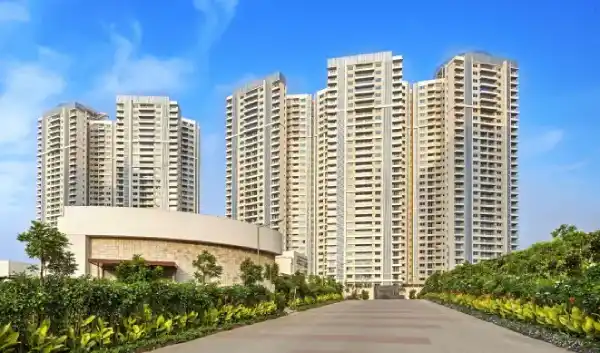
Apartment Lifespan in Bangalore: RCC & Maintenance
Bangalore, India’s real estate investment hub, is dotted with a mix of modern towers and aging apartment complexes. A question that many serious buyers ask is: “How long will my apartment last?” This concern isn’t just about years—it’s about financial security, resale value, and the durability of your investment. Apartment Lifespan in Bangalore: RCC & Maintenance plays a crucial role, as regular care such as waterproofing, repairing cracks, and repainting prevents early deterioration while ensuring long-term structural integrity and value retention.
Understanding the lifespan of flats in India, especially in an evolving city like Bangalore, is essential for those eyeing long-term returns and sustainable living. Here’s a breakdown of the core factors that determine apartment durability in this market.
How Long Do Buildings Last in Bangalore?
The RCC building lifespan in Bangalore typically ranges from 30 to 70 years, based on a combination of engineering, climate, and usage patterns.
- Average Lifespan: Most RCC structures last 50–70 years when maintained properly through regular inspections and upkeep.
- Neglected Buildings: In the absence of care, signs of damage can start appearing within 30–40 years, particularly in structures with outdated materials or improper drainage systems.
In fast-growing zones such as Electronic City, Whitefield, and Bagalur, infrastructure boosts and proactive planning help buildings retain value, even as they age.
Factors That Affect the Lifespan of Apartments
The apartment durability in Bangalore is defined by several key factors:
- Construction Quality: Projects built using high-grade materials, earthquake-resistant designs, and modern waterproofing last significantly longer.
- Location & Environment: Apartments built on stable soil in low-pollution areas with minimal weather extremities age more gracefully.
- Usage and Load: Overcrowding, poor waste management, and heavy utility load without scheduled audits shorten the building’s functional life.
These variables create a wide variance in the lifespan of flats in India, especially when comparing premium developments with unregulated constructions.
Old vs New Construction Methods: What’s the Difference?
Buildings constructed before the 1990s primarily used brick and lime mortar, which, though functional, had limitations in durability and load-bearing efficiency.
- Old Methods: These structures are prone to faster aging, often requiring major repairs after 30–40 years.
- New Methods: Incorporating RCC frames, anti-seepage treatments, high-strength steel, and advanced curing techniques, modern apartments are engineered for extended life, energy efficiency, and urban housing longevity.
This evolution has especially benefited projects by reputable builders who follow best construction practices in Bangalore.
What Happens to a Flat After Its Lifetime Ends in India?
Once an apartment nears the end of its structural life, a few paths are possible:
- Renovation/Rebuilding: When feasible, the structure is strengthened and given a 10–20-year extension.
- Demolition: Unsafe buildings are cleared to make way for redevelopment.
- Government Acquisition: Occasionally, older residential zones are taken over for public infrastructure expansion.
In all outcomes, the UDS (Undivided Share of Land) plays a pivotal role. Compensation or redevelopment potential depends directly on the percentage of land each flat owner holds.
The Role of Land Value Appreciation
While buildings deteriorate over time, land value in Bangalore often follows an upward trajectory. In locations such as Sarjapur Road, Hebbal, and Indiranagar, this appreciation balances out the depreciation of the structure.
Understanding undivided land share importance becomes crucial when selecting a home for long-term investment or inheritance planning.
Is It Worth Buying a 1-Crore Flat in Bangalore?
This question often leads to hesitation—but the answer lies in builder credibility and location dynamics.
- Builder Reputation: Choosing builders like Sobha, Prestige, or Tata Varnam can make a difference. Tata Varnam, in particular, stands out for its meticulous engineering standards, future-proof architecture, and eco-smart materials. This ensures superior build quality and extended durability.
- Location Potential: Investing in areas with upcoming metro connectivity, tech parks, and zonal infrastructure plans ensures strong resale value and higher appreciation, especially in premium developments where RCC durability and land share are well-managed.
While ₹1 crore may seem steep, when it’s backed by construction integrity, location value, and long-term planning, it becomes a future-ready asset.
Examples of Bangalore’s Longest-Lasting Apartments
- Richmond Town and Cox Town host apartments built over 50 years ago—still functional due to consistent maintenance.
- In Delhi, DDA Flats have exceeded 40–50 years and continue to serve residents.
These examples highlight how preventive maintenance for flats directly extends their lifespan—reinforcing the case for proactive building care.
How to Maximize the Lifespan of Your Apartment
If you’re already a homeowner or plan to be one soon, here’s a proven checklist:
Schedule structural audits every 5–10 years to detect stress points
Use professional-grade waterproofing solutions and anti-corrosion treatments
Maintain proper drainage, waste disposal, and hygiene standards
Encourage participation in the Resident Welfare Association (RWA) for timely decisions
Fix minor issues before they become major—preventive repairs always cost less
These simple, proactive steps help protect your resale potential, occupant safety, and overall asset value.
Conclusion
In a city as dynamic as Bangalore, understanding the lifespan of apartments is not just smart—it’s financially essential. From selecting high-quality builders like Tata Varnam, to prioritizing apartment structural audits, and staying ahead with preventive maintenance, every step you take secures your investment.
Remember, buildings age—but when you choose wisely and maintain consistently, your apartment becomes a long-term value asset in India’s most competitive urban market.